Best Time to Visit Tanzania for a Safari.
Tanzania is one of Africa’s most extraordinary safari destinations, offering endless opportunities to witness wildlife in their natural habitat. From the sweeping plains of the Serengeti to the ancient floor of the Ngorongoro Crater, every corner of this country reveals something magnificent.
However, choosing the best time to visit Tanzania for a safari can greatly influence the kind of experience you have. Understanding the seasons, wildlife behavior, and climate patterns helps you plan a trip that aligns perfectly with your interests. Whether you dream of watching the Great Migration thunder across the Serengeti or prefer quiet landscapes filled with newborn animals, Tanzania offers something special every month of the year.
Understanding Tanzania’s Safari Seasons
Tanzania experiences two main seasons that shape its safari calendar the dry season and the wet season. Each brings a distinct beauty to the landscape and affects animal movement in different ways. The dry season, which usually runs from June to October, is considered the best time for game viewing. During these months, animals gather around rivers and waterholes, making sightings much easier. The clear skies, golden savannahs, and cooler temperatures also make this a comfortable time to explore national parks like Serengeti, Tarangire, and Lake Manyara.
The wet season, from November to May, paints Tanzania in lush green tones. This is the calving period in the Serengeti when thousands of wildebeest give birth, attracting predators like lions and cheetahs. Although some roads may become muddy, the parks are less crowded, birdlife flourishes, and photographers will find stunning landscapes under dramatic skies.
The Great Migration and When to See It
For many travelers, the highlight of a Tanzanian safari is witnessing the Great Wildebeest Migration, one of the most remarkable natural events on Earth. The timing of this movement depends on rainfall, but generally, from December to March, the herds gather in the southern Serengeti for calving. Between April and June, they start moving north, crossing the Grumeti River, and by July to October, they reach the Mara River for the famous river crossings. Visiting during this period guarantees an unforgettable spectacle as herds battle crocodile-infested waters in search of fresh grazing lands.
Month-by-Month Breakdown
From January to March, the Serengeti plains come alive with young wildlife. This is an excellent period for witnessing predator action, making it ideal for photographers and adventure seekers.
Between April and May, the rains arrive, turning the parks into lush green paradises. It is a quiet and peaceful time, perfect for those who prefer fewer tourists and lower rates.
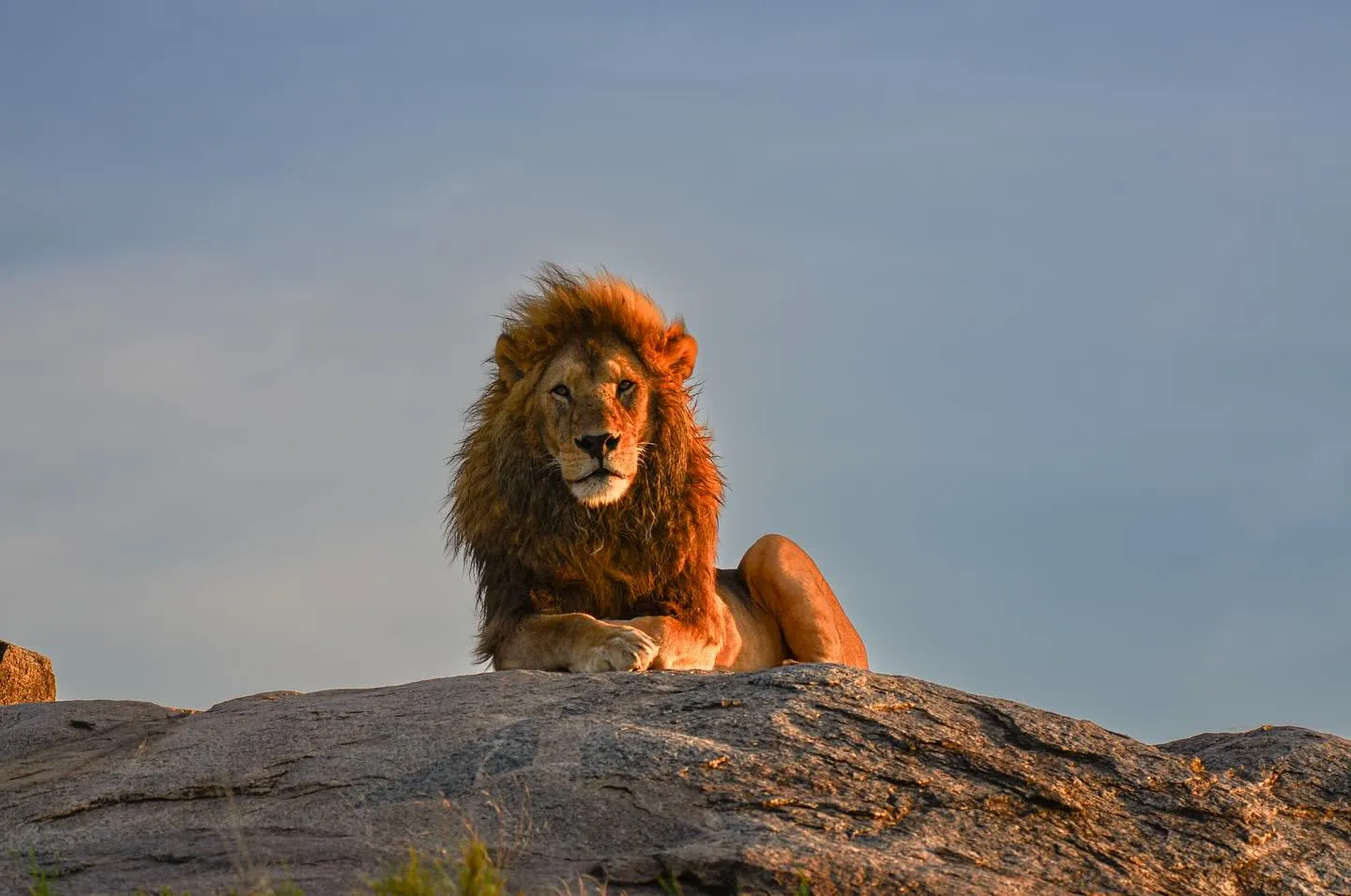
From June to October, the dry season peaks, and wildlife congregates in visible numbers. This period offers the most classic safari scenes and the best visibility for spotting the Big Five.
Finally, November and early December mark the short rains, bringing a refreshing change to the scenery without disrupting travel plans.
Zanzibar and the Coastline Experience
If your safari includes a trip to Zanzibar or the Tanzanian coast, the best time to visit is slightly different. The months between June and October and December to February provide warm sunshine and calm seas, making them perfect for swimming, snorkeling, and relaxing on the beach. Many travelers choose to end their safari with a few nights in Zanzibar, combining adventure with serene coastal luxury.
Why Timing Matters for Your Safari Experience?
Choosing the right season is about more than just weather; it’s about the kind of story you want your safari to tell. Travelers seeking drama and action will love the dry months when survival dominates the savannah. Those wanting intimacy with nature and tranquility will find the green season more rewarding. With expert guidance from Mothercity Safaris, you can plan around your preferences whether that’s predator sightings, birdwatching, photography, or relaxation.
Our safari specialists tailor experiences to align with both your expectations and Tanzania’s natural rhythms, ensuring every journey feels personal, balanced, and unforgettable.
Every month in Tanzania reveals a different side of its wilderness, making it a destination for all seasons. Whether you visit for the Great Migration, the calving spectacle, or peaceful green landscapes, timing your safari well ensures you experience the magic of the wild at its best.
At Mothercity Safaris, we help you discover when and where to go for the ultimate Tanzanian adventure, combining expert knowledge, comfort, and authentic encounters that stay with you for life.
Frequent Asked Questions(FAQs).
When is the best time to see the Great Migration?
The best time to witness the Great Migration is between July and October when the herds cross the Mara River in northern Serengeti.
Is the wet season a good time for safari?
Yes, especially for those interested in photography, birdwatching, and witnessing newborn animals. The landscape is lush, and lodges offer excellent rates.
What’s the temperature like during the dry season?
Days are warm and sunny, while nights can be cool, especially in high-altitude parks like Ngorongoro and Serengeti.
Can I visit Zanzibar after my safari?
Absolutely. Zanzibar is a perfect post-safari escape with calm beaches, luxury resorts, and rich cultural experiences.

Recent Posts
Lemosho Route vs Machame Route
Choosing the Perfect Path to the Roof of Africa
Top 10 Reasons to Visit Tanzania for Your Next Safari Adventure.
All Categories
Thailand