What Makes Tanzanian Culture So Unique?
Tanzania is more than a land of sweeping savannahs and world-renowned wildlife; it is a living mosaic of traditions, languages, art, and hospitality. Every traveler who visits leaves with a sense of warmth that reflects the very soul of its people. From the rhythmic songs of the Swahili coast to the colorful beadwork of the Maasai, Tanzanian culture captures the true spirit of Africa in its purest form. It is a country where ancient customs meet modern life, creating an atmosphere that feels both timeless and deeply welcoming.
A Country of Many Cultures and One Heart
Tanzania’s uniqueness lies in its diversity. With over 120 ethnic groups, each possessing its own language and traditions, the country represents a harmonious blend of different cultural identities. The unifying force among them is the Swahili language, a symbol of national unity and identity. Whether you are in the bustling streets of Arusha or the quiet fishing villages along the Indian Ocean, you will hear Swahili spoken with pride and warmth.
What makes this cultural blend special is how each community maintains its heritage while respecting others. The Iraqw, Chagga, Sukuma, and Hadzabe, among others, all contribute to a cultural landscape that is as rich as it is fascinating. This coexistence creates a national character rooted in respect, hospitality, and collective identity.
The Maasai: Guardians of Tradition
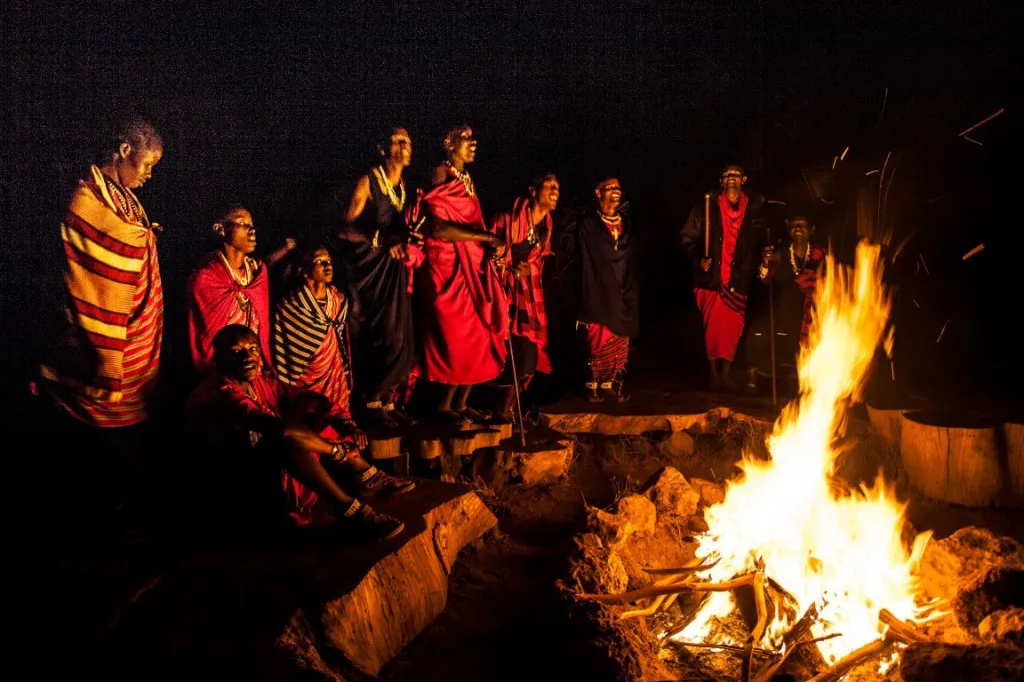
No conversation about Tanzanian culture is complete without mentioning the Maasai people. Known for their striking red shukas and intricate beadwork, the Maasai have preserved their ancient lifestyle through the centuries. Their connection to the land and livestock defines not just their livelihood but also their spirituality. Visitors are often captivated by their warm welcome, storytelling, and traditional dances that echo through the open plains.
For travelers, visiting a Maasai village offers a rare opportunity to witness a way of life that has resisted change. You can learn about their ceremonies, cattle-keeping traditions, and how they balance modern influences while holding tightly to their ancestral identity.
Swahili Coast and the Influence of History
Along the Tanzanian coast and the islands of Zanzibar, Pemba, and Mafia, the Swahili culture thrives a blend shaped by African, Arab, Persian, and Indian influences. The centuries of trade across the Indian Ocean brought spices, architecture, and language that formed the Swahili identity.
Walking through Stone Town in Zanzibar feels like stepping into a living museum. The carved wooden doors, ancient mosques, and spice-scented alleys tell stories of merchants, sailors, and sultans. It is here that visitors understand how Tanzania became a cultural crossroads where Africa meets the East, and history meets hospitality.
Flavors that Tell Stories
Tanzanian cuisine is an experience that delights every traveler’s senses. Meals often reflect the nation’s multicultural history. On the mainland, dishes like ugali, nyama choma, and pilau are enjoyed daily, while in Zanzibar, spices dominate the culinary scene with curries, coconut rice, and seafood freshly caught from the Indian Ocean.
Sharing a meal in Tanzania is more than just eating; it is an act of connection. Whether you’re enjoying a simple village feast or a gourmet dinner at a coastal resort, the food always carries a story one of hospitality, generosity, and shared community.
Music, Dance, and Artistic Expression
Music and dance form the heartbeat of Tanzanian culture. Traditional rhythms played on drums and thumb pianos accompany songs that celebrate love, nature, and community. In modern cities, bongo flava Tanzania’s unique blend of hip-hop and Afrobeat dominates the airwaves, symbolizing the energy of a new generation.
Craftsmanship is equally important. From wood carvings in Makonde villages to colorful kitenge fabrics and beadwork, Tanzanian art reflects its people’s creativity and storytelling traditions. Every piece created by local artisans offers travelers a tangible memory of their journey.
A Culture of Warmth and Welcome
What truly sets Tanzania apart is its spirit of “karibu” —the Swahili word for “welcome.” This sense of openness runs deep in Tanzanian life. Travelers are often surprised by the sincerity of local greetings, the eagerness to share stories, and the genuine interest in others’ experiences.
Each cultural experience is thoughtfully curated to ensure authenticity, respect, and meaningful interaction. Whether you are exploring the Serengeti or the beaches of Zanzibar, your adventure is intertwined with the stories of the people who call Tanzania home.
The magic of Tanzania extends far beyond its wildlife and landscapes. Its culture is a living treasure a blend of traditions, music, art, and stories that invite travelers to see the country through the eyes of its people. Experiencing Tanzanian culture is not just about observing; it is about connecting. With Mothercity Safaris, every journey is designed to help you understand, feel, and celebrate the soul of Tanzania a destination that stays with you long after you return home.
Frequent Asked Questions (FAQs).
Q1. What makes Tanzanian culture different from other African countries?
Tanzania’s cultural uniqueness comes from its mix of over 120 ethnic groups and strong Swahili heritage, creating unity in diversity.
Q2. What is the main language in Tanzania?
Swahili is the national language and a unifying factor, though English is widely spoken in tourism and business.
Q3. How can travelers experience authentic culture in Tanzania?
By visiting local markets, Maasai villages, traditional dance performances, and the historical sites of Zanzibar.
Q4. Is it respectful to take photos of local people?
Yes, but always ask permission first. Respect for personal and cultural boundaries is highly valued.
Q5. Does Nurtured Wildlife Safaris include cultural tours
Absolutely. Our safaris often combine wildlife adventures with immersive cultural encounters across Tanzania and Zanzibar.

Recent Posts
Lemosho Route vs Machame Route

Choosing the Perfect Path to the Roof of Africa
Top 10 Reasons to Visit Tanzania for Your Next Safari Adventure.
All Categories

Thailand