
- Home
- Serengeti National Park
Serengeti National Park
Serengeti National Park is not simply a destination. It is the foundation of Tanzania’s safari identity and one of the most trusted wildlife landscapes on the planet. Stretching across northern Tanzania, this protected ecosystem supports a natural balance that has existed for thousands of years. Travelers who choose Serengeti are not looking for entertainment alone. They are searching for authenticity, depth, and a genuine connection with nature in its purest form.
The vastness of Serengeti creates an immediate emotional response. The land opens endlessly, allowing wildlife to move freely without fences or human interruption. This uninterrupted space is the reason Serengeti continues to deliver consistent wildlife sightings throughout the year. For luxury travelers, this means unhurried game drives, quiet moments in nature, and exclusive encounters that feel personal rather than staged.
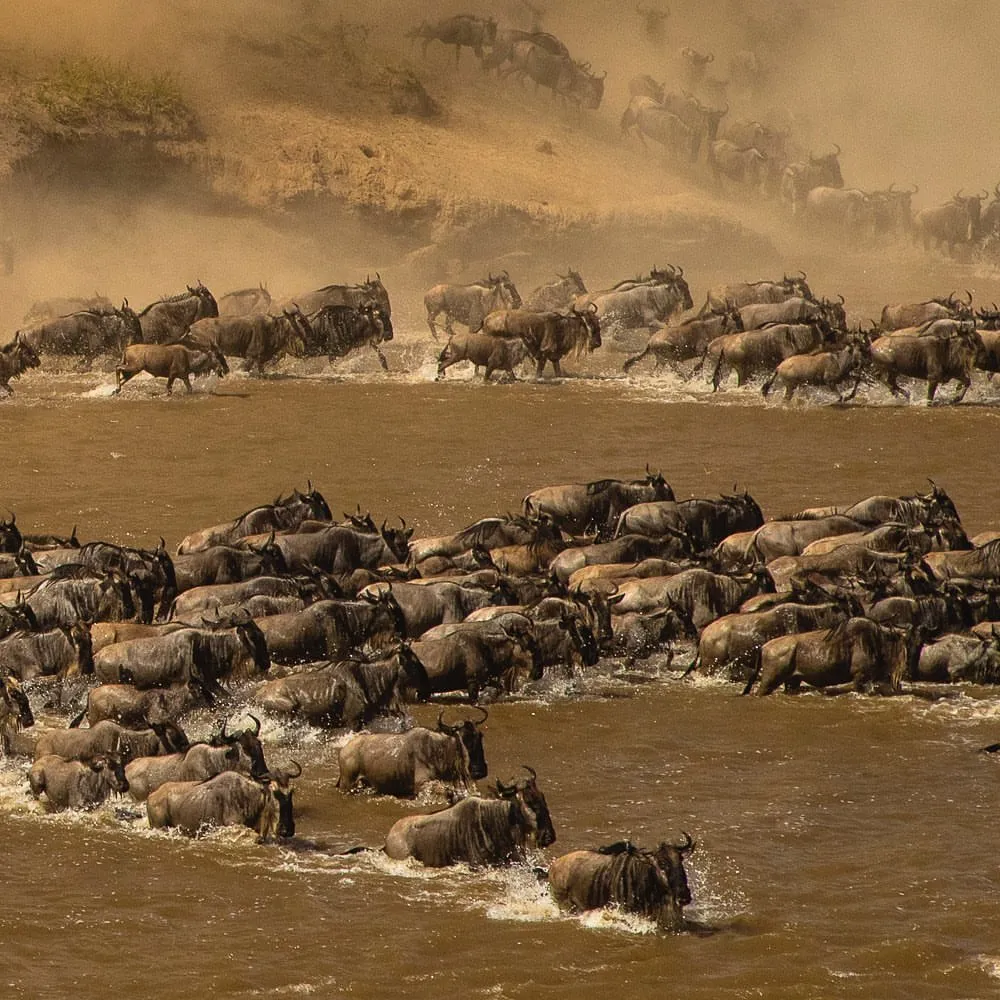
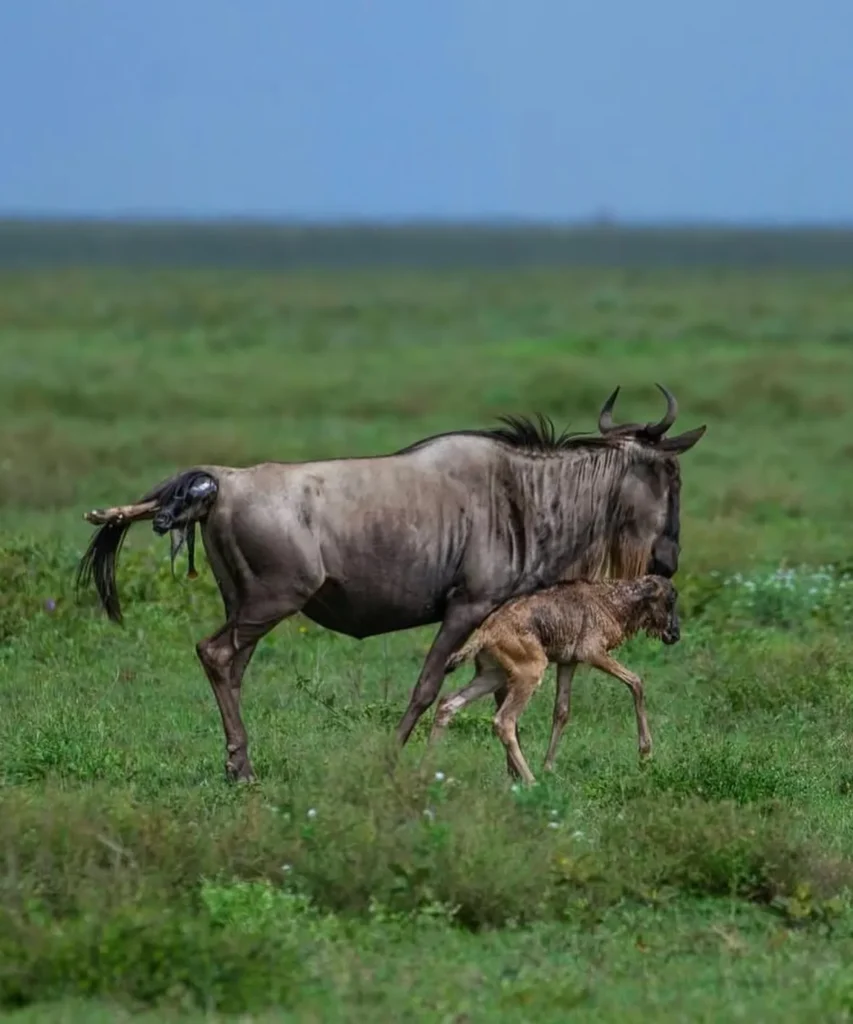
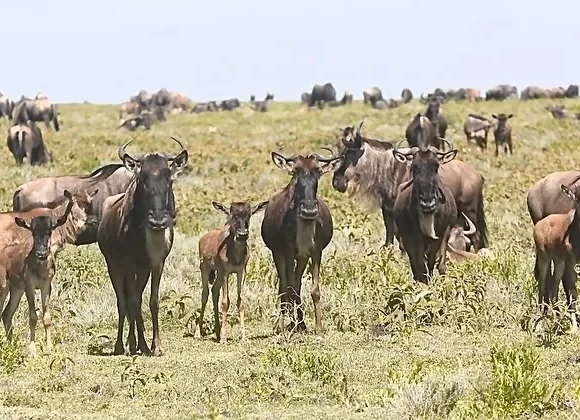
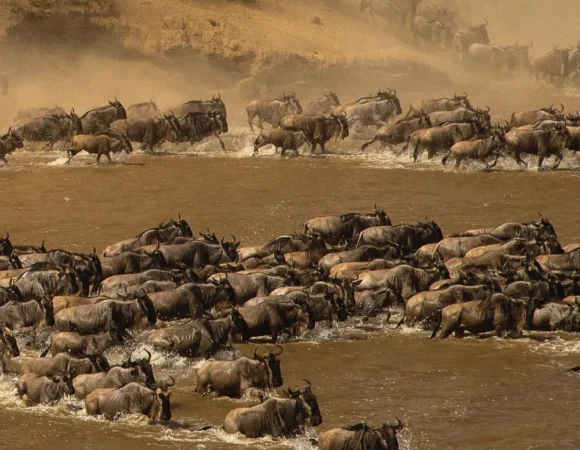
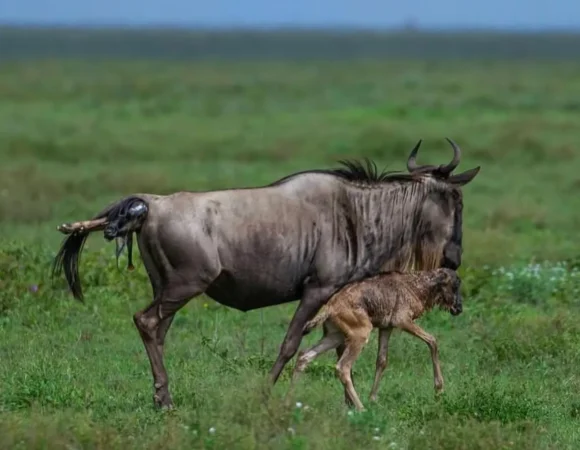
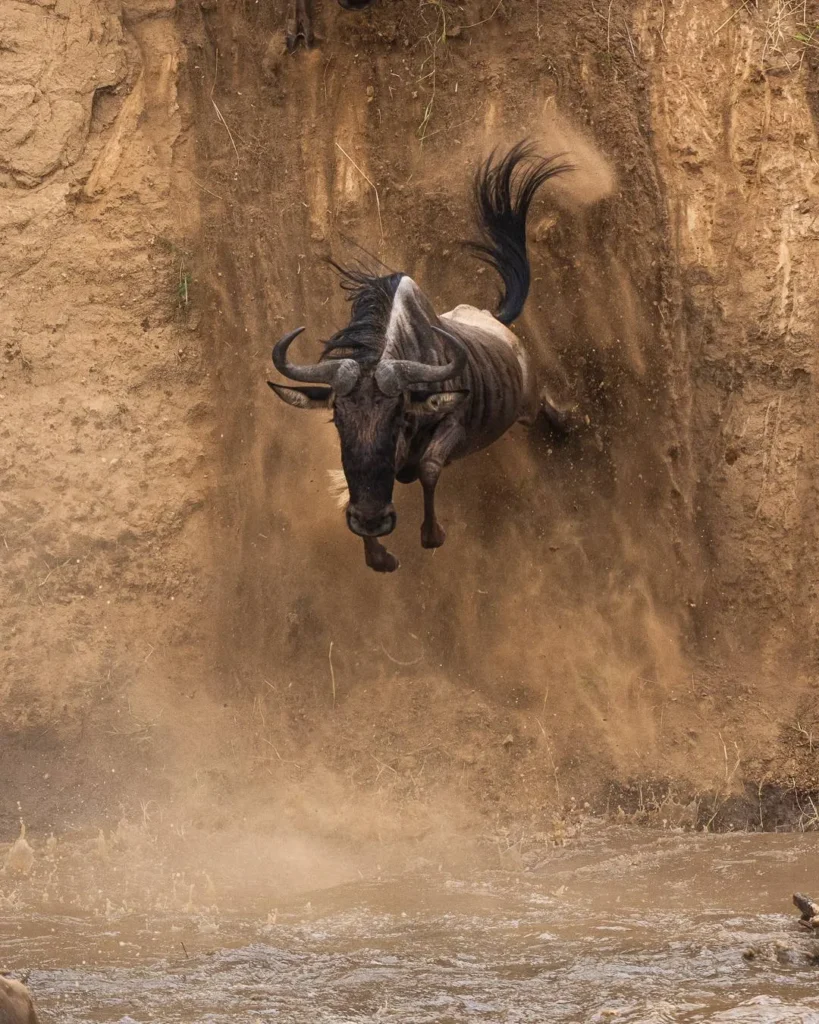
Serengeti National Park is globally recognized for the Great Wildebeest Migration, yet reducing the park to this single phenomenon would overlook its true richness. The migration itself is a continuous movement guided by rainfall and grazing patterns rather than a single event. During certain months, the southern plains become a nursery where thousands of calves are born each day. In other seasons, the northern rivers test the strength of migrating herds while predators wait patiently. Each phase offers a different narrative, making Serengeti a destination that rewards careful timing and expert planning.
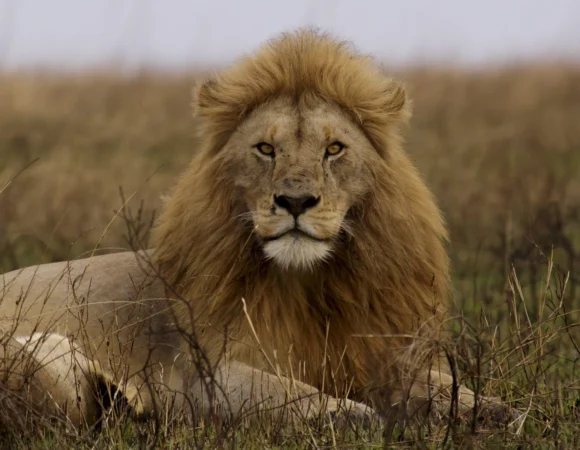
Wildlife density in Serengeti remains one of the highest in Africa. Lions are particularly well established here, often seen resting on open plains or hunting cooperatively. Leopards favor riverine woodlands, cheetahs dominate open grasslands, and elephants move calmly between feeding areas. These sightings are not rare occurrences but part of daily life within the park. For travelers staying in well positioned lodges or private camps, wildlife often appears just beyond the veranda.
The landscapes of Serengeti contribute significantly to its appeal. The central Seronera region supports year round game viewing due to permanent water sources. The southern plains provide wide visibility and dramatic skies that photographers value deeply. The western corridor follows ancient river systems that attract large mammals and birdlife, while the northern Serengeti offers remote beauty and quieter safari experiences. Luxury safaris benefit greatly from this diversity, as itineraries can be tailored to follow wildlife movements while avoiding crowded areas.
Accommodation within Serengeti reflects the quality expected by discerning travelers. Carefully selected lodges and tented camps combine comfort with environmental sensitivity. Spacious suites, private decks, attentive service, and gourmet dining enhance the experience without disconnecting guests from nature. Mothercity Safaris works closely with trusted partners to ensure accommodations meet high standards of safety, privacy, and authenticity.
Cultural context adds further meaning to a Serengeti safari. The Maasai people have lived alongside wildlife in this region for generations, maintaining traditions that emphasize coexistence rather than control. Visiting nearby communities provides insight into pastoral life, traditional knowledge, and conservation values that continue to influence land stewardship. These encounters are respectful and educational, adding human perspective to the natural experience.
Access to Serengeti is seamless for international travelers. Scheduled and charter flights connect major safari hubs to airstrips within the park, reducing travel fatigue and maximizing time spent on safari. Professional guides play a crucial role in shaping the experience. Their deep understanding of animal behavior, seasonal patterns, and safety protocols ensures that each game drive is both informative and enjoyable.
Conservation remains at the heart of Serengeti’s global importance. Tourism supports anti poaching initiatives, habitat protection, and research programs that benefit wildlife far beyond Tanzania’s borders. Choosing responsible safari operators directly contributes to the preservation of this ecosystem. Mothercity Safaris is committed to ethical tourism practices that respect wildlife, support local communities, and maintain long term sustainability.
For travelers seeking a refined yet authentic safari, Serengeti offers unmatched value. Whether paired with Ngorongoro Crater, Tarangire National Park, or a Zanzibar beach extension, Serengeti forms the core of a balanced Tanzanian journey. Every visit reveals something new, even for those returning for a second or third safari.
A Serengeti safari is remembered not for a single sighting but for the quiet moments in between. The early morning light, distant calls of wildlife, and the sense of belonging in a timeless landscape create memories that remain long after the journey ends.
FAQ
Serengeti National Park is unique because of its vast open ecosystem that allows wildlife to move freely without artificial boundaries. This natural flow supports high wildlife concentrations throughout the year and creates authentic animal behavior that travelers can observe in real time. The park’s size, biodiversity, and long history of conservation make it one of the most reliable safari destinations in Africa.
Serengeti remains rewarding even for experienced safari travelers because no two visits are ever the same. Wildlife movements change with seasons, weather patterns, and natural cycles. Returning visitors often gain deeper appreciation by exploring different regions of the park, staying in new locations, or focusing on photography, predators, or birdlife.
Serengeti can be visited throughout the year, with each season offering a different experience. Some months highlight calving activity in the southern plains, while others offer dramatic river crossings in the north. Travelers who value flexibility and expert planning benefit most, as timing can be aligned with personal interests rather than fixed expectations.
The Great Wildebeest Migration is a continuous movement rather than a single event. Animals are always present within the Serengeti ecosystem, but their location changes throughout the year. With proper guidance and route planning, visitors can witness different stages of the migration depending on the season.
A stay of at least three days allows travelers to appreciate the scale of the park and experience varied wildlife encounters. Longer stays provide the opportunity to explore multiple regions, enjoy relaxed game drives, and avoid rushing between sightings.